
/cdn0.vox-cdn.com/uploads/chorus_image/image/49284369/huaweip9-lgg5-vladsavov.0.0.png)
Smartphone cameras can do astounding things nowadays, however they are starting to reach some hard physical limits. There’s only so much you can achieve within the tight constraints of a device that’s 7mm thick, and phone companies are looking for alternative means to keep improving. This spring, LG and Huawei have led the way with their new Android flagships, introducing two very different dual-camera systems that nevertheless signal the direction that the entire industry is about to head in. Apple's iPhone 7 Plus is rumored to be following their lead later this year. One day soon, we’ll look at dual-camera phones the way we think of dual-core devices today: just a logical progression with nothing remarkable about it.
LG’s G5 will be remembered for its modular Friends ecosystem, but in any other year the big highlight of this new phone would be the presence of a second rear camera. An 8-megapixel wide-angle camera sits alongside the main 16-megapixel module, making it easier to shoot bigger group, landscape, or architecture shots.
Regular phone lenses are fixed at the same zoom level, and this supplementary hardware is necessary because phones have no easy way of adding zoom to their cameras. Zoom lenses require greater depth than modern phone designs can afford, and digital zoom trades away image quality. With the G5, LG adds a second prime (i.e. zoomless) lens, which it can do because there’s more horizontal space to play with inside the handset. The phone’s camera bump is, in fact, most probably required by the main camera’s more sophisticated optics and stabilization.
/cdn0.vox-cdn.com/uploads/chorus_asset/file/6316979/DSC06546.0.png)
Huawei’s P9 doesn’t have a camera bump at all, but it also has two cameras on the back. This is actually the more exciting device of the two because it’s targeted at improving image quality, the holy grail of all photography. A combination of one monochrome and one color sensor captures three times the light of an ordinary camera, resulting in much better sharpness and clarity. The prominence of these improvements will depend on the circumstances — they are most apparent when shooting closeups — but it’s already clear that Huawei has built its best camera yet and the secondary sensor is the critical part responsible for it.
The truly impressive thing is that the P9 is one of the thinnest flagship phones out there while still fitting a big 3,000mAh battery and this dual-camera assembly. If there’s a physical cost to the second monochrome sensor in this handset, it’s not an obvious one.
The unifying feature connecting LG and Huawei’s new phones is that they’ve added secondary cameras without sacrificing much in the way of design. It’s always a good sign when additional function doesn’t break a device’s form, and on the early evidence of these two smartphones, the future for dual-camera systems is bright. Here’s an example of the difference LG’s extra camera makes
in terms of capturing a wider field of view:
The wide-angle shots that it provides would usually require an external accessory, so having that function built right into the G5 is a legitimate convenience. Somewhat ironic for a phone making its name around external plug-in modules, but it’s still true that LG gives G5 users flexibility that others lack.
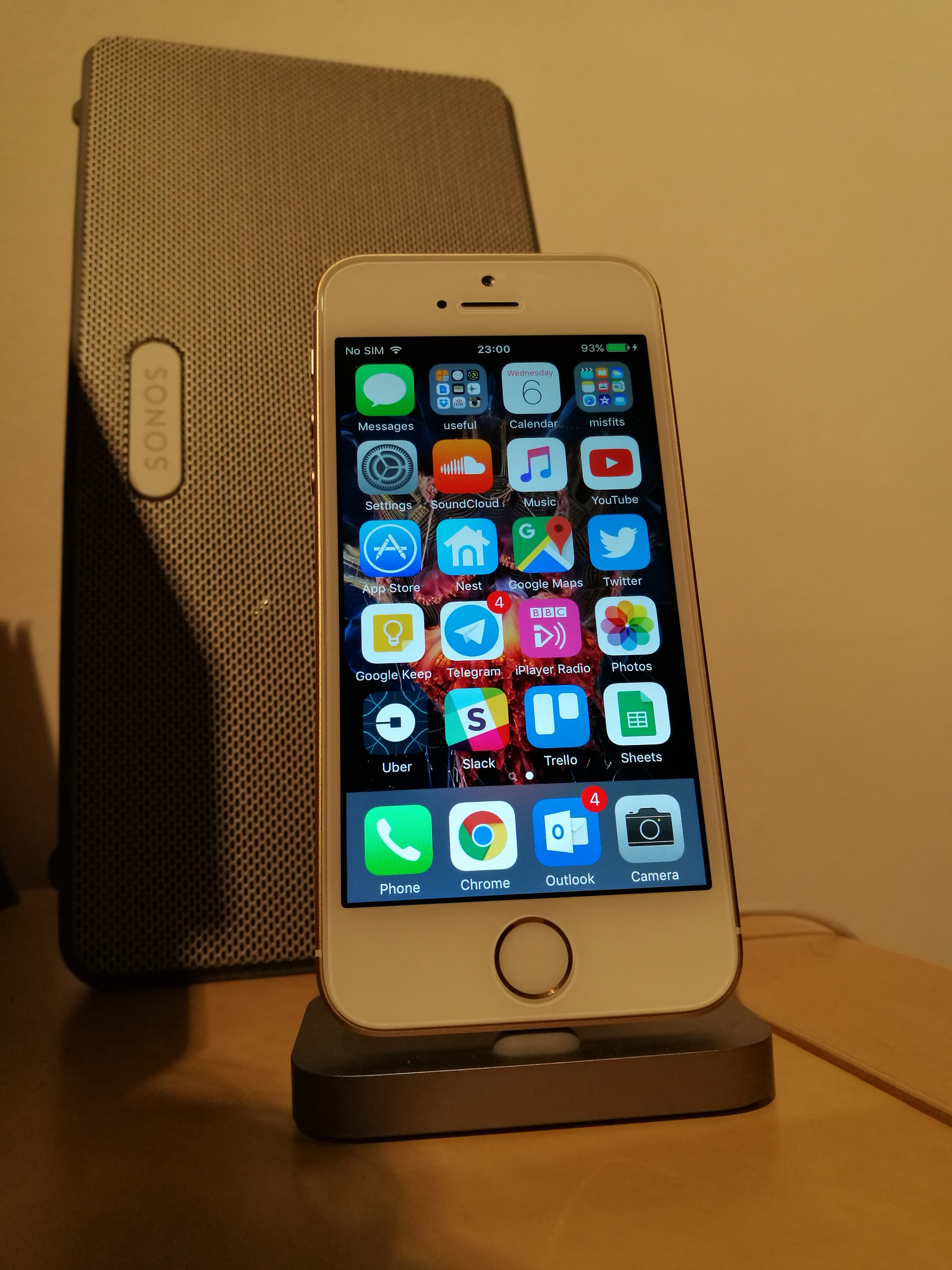
To see the quality and value of Huawei’s dual-cam, you have to zoom in real close. In the above, poorly lit, sinfully yellow scene, the P9 exhibits amazing control over image noise. Pay particular attention to the iPhone’s volume buttons on the left — how they stand out from the speaker grille behind them — and the crisp definition of each icon label on the screen. This is the sort of performance that any mobile (or even dedicated) camera designer can be proud of.
Hardware means nothing without good software, and the other encouraging thing about the G5 and P9 is that their extra sensors are already well integrated. LG has baked a number of very cool functions into its camera software that combine the shots from the two cameras for a stylistic framing effect or to create easy collages. The accessibility of LG’s interface means that even neophytes can jump right in and start creating and experimenting with its new hardware.
What distinguishes today’s dual-camera LG and Huawei phones from yesteryear’s 3D-imaging devices is that the output is still a flat, universally compatible photo. Unlike Apple’s Live Photos, you can share G5 or P9 dual-cam pictures without having to worry about the device they’ll be seen on. And though the speed of capturing images with two cameras isn’t quite as lightning-quick as using just one, the difference is not substantial enough to put anyone off.
Rumors about Apple’s iPhone 7 Plus have included the suggestion that it would include a dual-camera system much like Huawei’s. If that scenario comes to pass, Apple’s substantial influence will serve to accelerate the trend and stimulate others to try it, too. But even without the iPhone’s endorsement, the addition of extra cameras is already proving itself valuable to the user (and apparently economical to the producer).
The more distant future might hold an even greater number of lenses and sensors — as proposed by the Light L16 camera — but for the near term, it’s looking increasingly likely that dual-camera systems will take over the task of pushing mobile photography forward. When technology reached the speed limits of single processor cores, they were made more efficient and eventually multiplied in number. The same strategy seems to be developing now with respect to smartphone cameras.
Comments
Post a Comment